Listen to the audio version of this article (generated by AI).
In This Digest:
- Wall Street likes gridlock – and that signals a strong stretch of stock returns ahead
- The $6.3 billion crypto hack shines a light on our top AI theme
- This money-transfer app is catching a wave that hasn’t hit its earnings yet
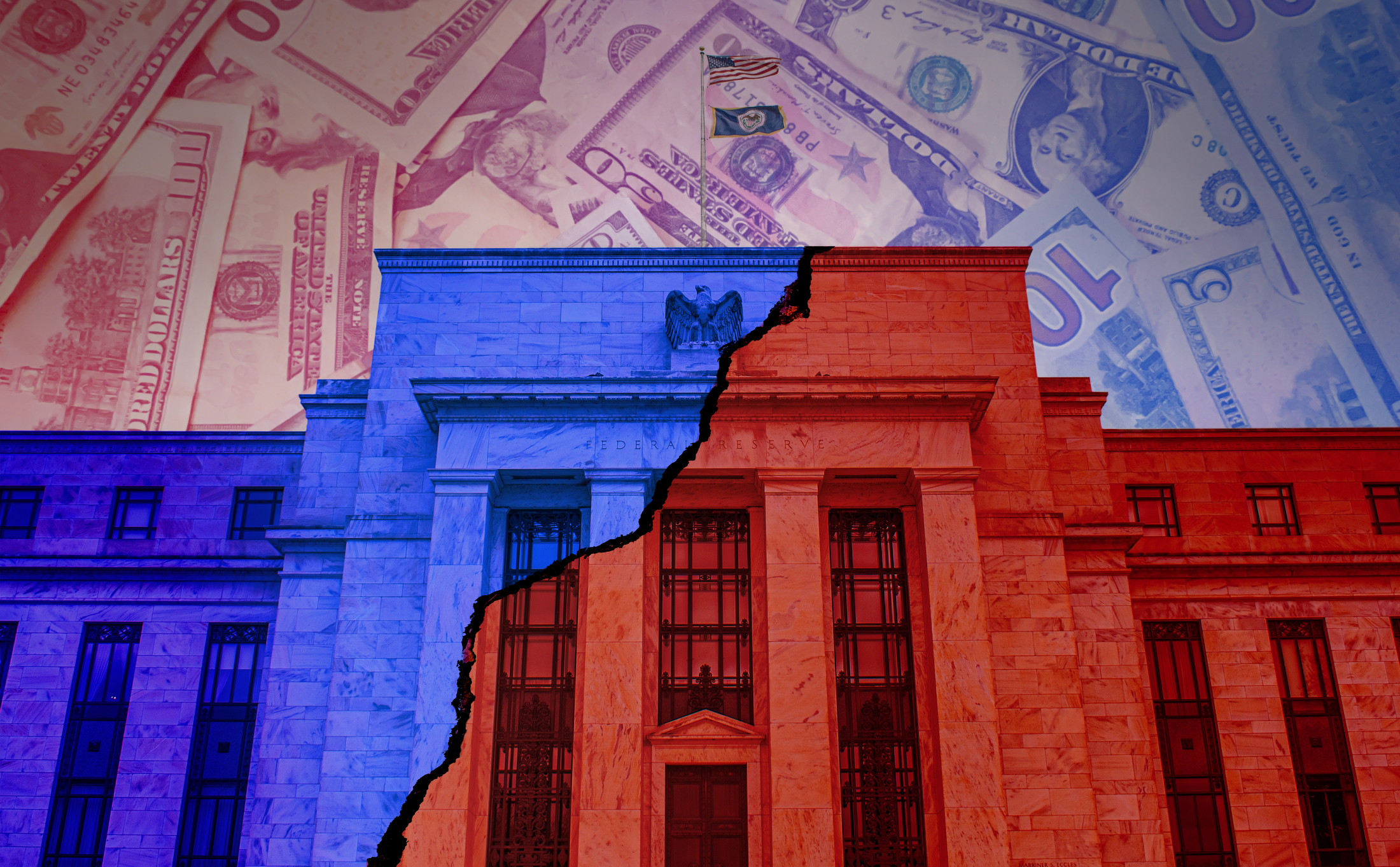
Washington is split – and Wall Street likes it…
Democrats won control of both the House and the Senate last night.
As I write, they’ve picked up a net seven Senate seats and 25 House seats, with wins in Texas, Maine, Georgia, and other battleground states.
Here at TradeSmith, we don’t pick sides in politics. But politics can move markets, and that’s what happened last night.
As the results came in, stock futures sold off. Today, stocks are surging higher… with the Dow on its way to one of its top days of 2026.
There are lots of potential reasons for this. Maybe investors see tariff relief coming. Maybe they see Congress pressuring Trump to end the war in Iran. Or maybe it’s because the election leaves Washington gridlocked – unable to do much of anything with a president who can veto any bills that pass through Congress.
What we can say for sure is that higher stock prices have typically followed after the midterms.
Going back to 1995, the S&P 500 ETF Trust (SPY) has been higher every single year after a midterm election for an average gain of 17.4%.
October was a rough month for investors as midterm jitters mounted.
But if history is any judge, higher stock prices are on the way.
A $6.3 billion heist started with a fake job interview…
In September, an engineer at the world’s largest crypto exchange, Binance, joined a video call for what looked like a job interview.
But the executives on the other side were hackers linked to North Korea. And the coding test they asked him to download carried hidden malware that infected his work computer.
From there, the attackers used one of Binance’s internal AI tools to take over two other engineers’ computers. On one of them, they found a stored access key. On Oct. 29, they used it to move more than $6.3 billion in digital assets out of Binance’s wallets.
It’s one of the biggest heists in history, and it was made possible by sloppy cybersecurity protocols.
You can bet that the folks running banks, brokerages, and investment firms read about the Binance hack and asked their security chiefs: Could this happen to us?
The answer is yes. And that means more money flowing into the companies that can help stop these attacks.
Regular readers know we’ve been pounding the table on the cybersecurity theme for months. As AI proliferates throughout the economy, cybersecurity firms will play a key role in making it safe to use.
But cybersecurity stocks have gotten caught up in the pre-election selloff.
The Global X Cybersecurity ETF (BUG) – a fund that holds a basket of cybersecurity companies and trades like a stock – is up about 58% this year, ahead of other strong performers in energy, software, and semiconductors.
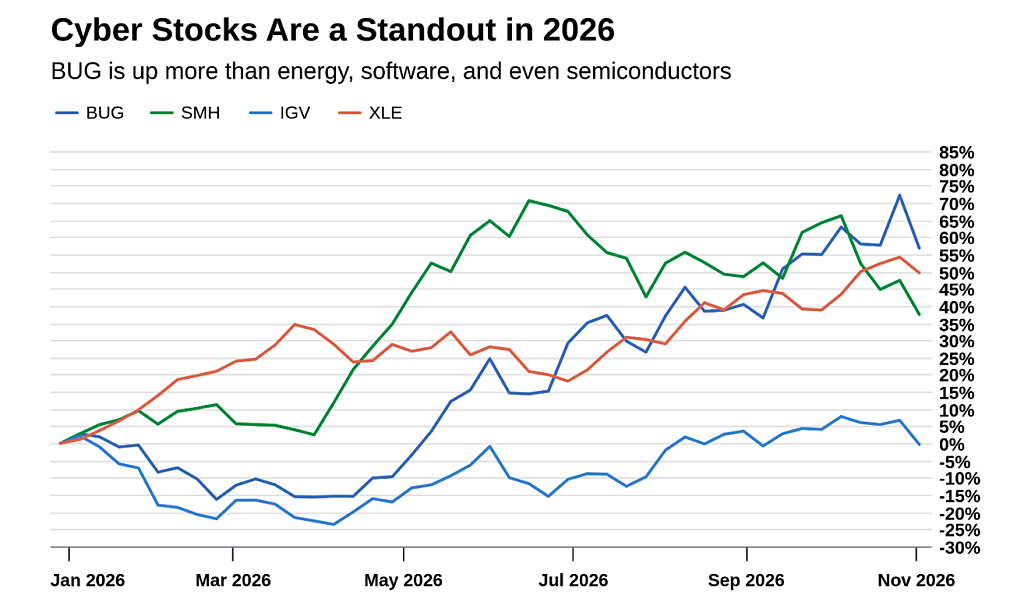
But it’s down about 10.5% from its high and about 5% since the Binance hack. And that spells opportunity.
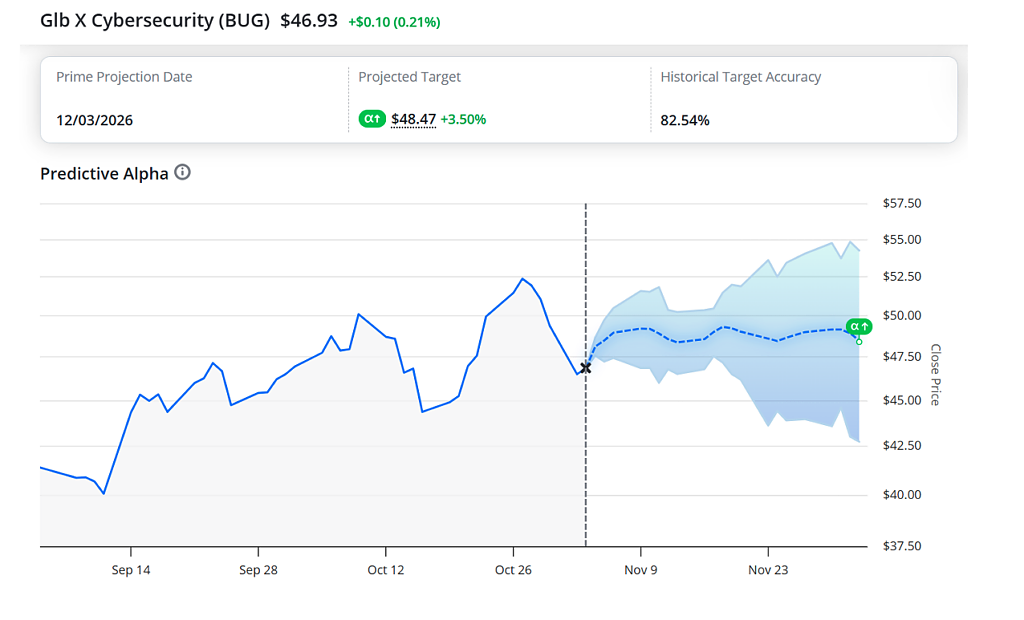
According to our Predictive Alpha AI trading model, BUG will climb 3.5% by Dec. 3 with an 82% historical target accuracy. When it’s made calls like this on BUG in the past, they’ve been accurate 8 out of 10 times.
It’s even more bullish on cybersecurity firm Zscaler (ZS).
Zscaler checks every user, device, and connection before letting them into a company’s systems. It’s built on the idea that any employee’s computer could already be in a hacker’s hands – the weakness the Binance attackers used.
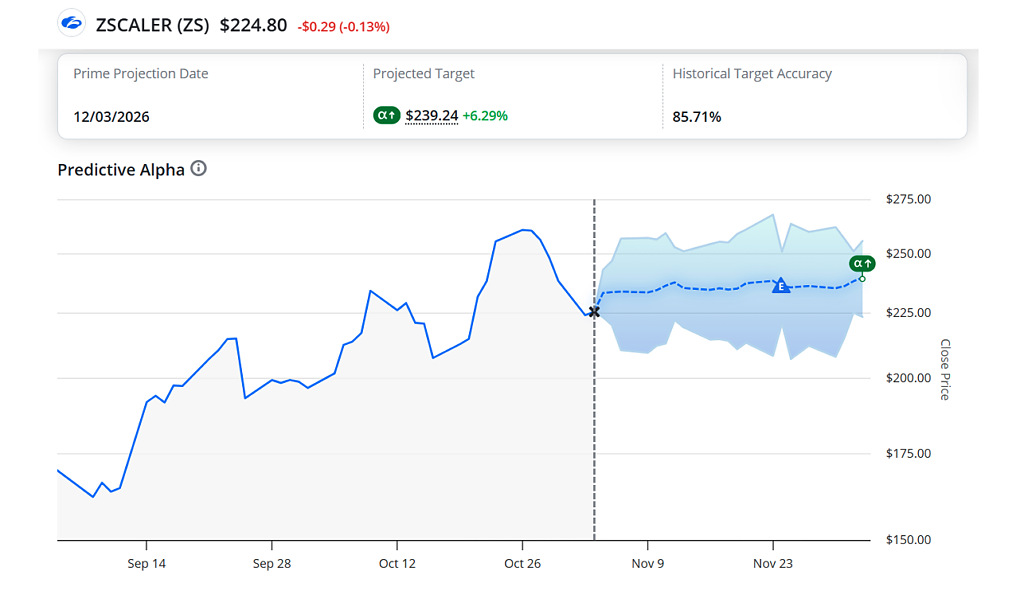
Predictive Alpha projects Zscaler will rise 6.3% by Dec. 3. And on Zscaler, its forecasts have hit their target 86% of the time – about six out of every seven calls.
Consider buying BUG for broad exposure to cybersecurity spending or ZS for a more focused bet on it.
Main Street and Wall Street love this cross-border payments stock…
My wife is Venezuelan. When two earthquakes hit there in June, she needed to get money to family members fast.
Standard international wire transfers to Venezuela are slow, expensive, and prone to complications due to international sanctions.
So to do it, she used an app called Remitly (RELY) that solved all these issues. The transfer was fast, the fees were cheap, and the money landed straight in her relatives’ accounts with almost no friction.
A few months later, we used the same app on a trip to Colombia to pay for services while avoiding high credit card fees and poor exchange rates.
And this way of moving funds across international borders is catching on.
Remitly now has 10.2 million active customers, up 20% from a year ago. The amount they sent through it last quarter climbed 27% to $23.5 billion.
Washington is speeding up the shift. Since Jan. 1, the U.S. has charged a 1% tax on money sent abroad with cash or money orders. Transfers funded from a bank account or card – the kind Remitly handles – are exempt.
Maybe that explains why Remitly scores 76 on our Social Heat Score, putting it just in buy range. It shows that the company is building a lot of positive buzz online.
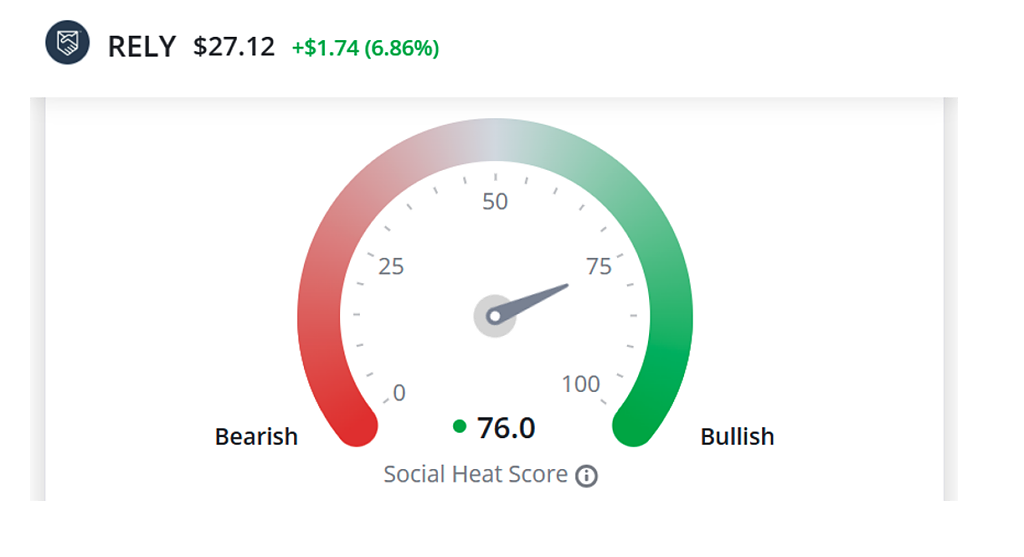
And the market is taking notice. Remitly is up 92% this year and trading near its highest level since its 2021 IPO.
And the stock’s trend just turned healthy again. On Oct. 30, Remitly entered a Short-Term Health Green Zone. That tells us buyers are back in control.
The last time it shifted into the Green, on March 4, the stock rose as much as 114% before the signal turned Yellow, then Red.
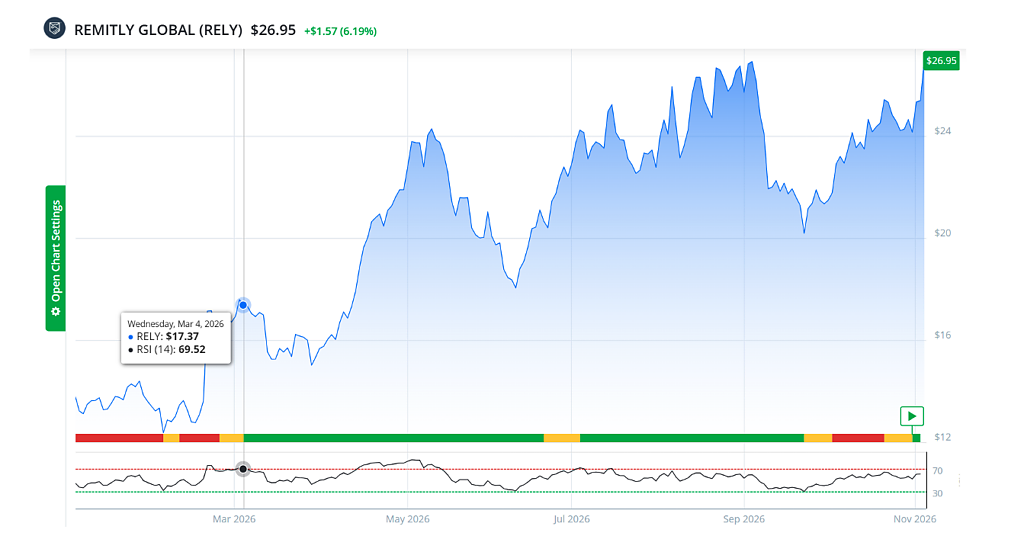
RELY has both bullish consumer sentiment and strong technical momentum. A break to five-year highs would only solidify the case for owning it.
To building wealth beyond measure,
Michael Salvatore
Editor, TradeSmith Daily